
August 16, 2026
Discover the Best Indian Vegetarian Restaurants Near Me in Prosper, TX
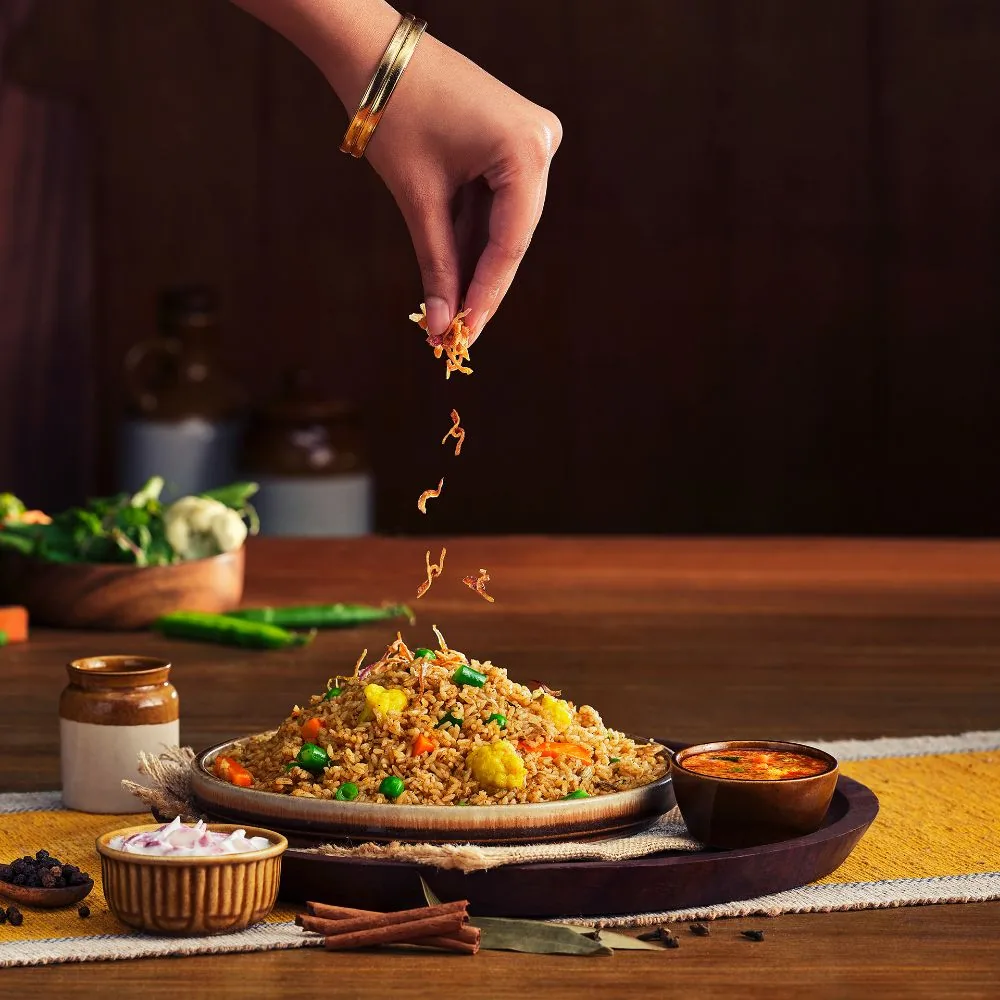
Vegetarian Indian food is much broader than paneer curry, dosa, or a plate of rice and vegetables. Across India, entire regional cuisines have developed around lentils, grains, fermented batters, vegetables, coconut, spices, and dairy, creating meals that feel complete without relying on meat. That variety is often what diners are really seeking when they search for Indian Vegetarian Restaurants Near Me or Indian Food in Prosper, TX.
For diners in Prosper, the more useful question is not simply where vegetarian food is available, but what kind of vegetarian Indian meal they want. A quick weekday lunch, a South Indian breakfast-style meal, a family dinner, and a celebration spread can all call for very different dishes.
What Should You Expect From Indian Vegetarian Restaurants Near Me?
A strong Indian vegetarian restaurant should offer more than meat-free substitutions. Diners should look for dishes built around vegetables, lentils, rice, fermented batters, paneer, breads, and regional spice combinations. Variety across textures, cooking methods, and spice levels is often a better sign of a well-rounded vegetarian menu than simply having many curry options.
This distinction matters when comparing Indian Restaurants In Prosper TX.
Indian vegetarian cooking includes crisp snacks, steamed dishes, griddled breads, fermented preparations, slow-cooked lentils, dry vegetable stir-fries, rice dishes, curries, chutneys, and sweets.
For someone searching for a Vegetarian Indian Restaurant Near Me, a useful menu should allow different kinds of meals rather than forcing every diner into the same curry-and-rice combination.
It is also worth checking whether vegetarian dishes are part of the restaurant's regular culinary identity or simply a small alternative section. The first usually gives diners more room to explore.
Why Is Indian Vegetarian Food So Diverse?
Indian vegetarian cuisine varies dramatically by region because local climate, agriculture, religion, and cooking traditions influence what people eat. Southern regions may emphasize rice, lentils, coconut, tamarind, and fermented batters, while other parts of India use wheat breads, dairy, beans, seasonal vegetables, and distinct regional spice blends.
This explains why Indian Vegetarian Food Prosper TX can cover many different flavor profiles.
One important insight is that lentils are not treated merely as side dishes in Indian cuisine. Preparations made with toor dal, urad dal, moong dal, chickpeas, and other legumes often provide body, protein, and texture to a meal.
Another is fermentation. Dosa and idli batter is traditionally made with rice and urad dal and allowed to ferment. That process creates mild tanginess while also helping produce the crisp edges of dosa and the soft, airy structure of idli.
A third useful detail is the role of tempering, sometimes called tadka. Mustard seeds, cumin, dried chilies, curry leaves, or other aromatics may be briefly fried in hot oil before being added to a dish. This technique can dramatically change aroma and flavor even when the ingredient list itself is simple.
These methods help explain why vegetarian Indian cooking can feel layered rather than restrictive.
How Is South Indian Vegetarian Food Different?
South Indian vegetarian food commonly emphasizes rice, lentils, fermented batters, curry leaves, coconut, tamarind, black pepper, and regional spice blends. Dosa and idli are familiar examples, but South Indian cuisine also includes vegetable curries, lentil-based dishes, rice preparations, chutneys, snacks, and complete meals designed around contrasting flavors and textures.
People searching for a South Indian Restaurant or Fresh South Indian Food Prosper TX often know dosa first, but dosa represents only one part of the cuisine.
Tamil, Telugu, Karnataka, and Kerala food traditions all have distinct identities. Even familiar dishes can change noticeably from one region to another.
Sambar, for example, combines lentils with vegetables, tamarind, and a spice mixture that creates a savory, tangy profile. Coconut chutney is cooler and creamier, while tomato or chili chutneys can add acidity and heat.
A crisp dosa served alongside these accompaniments demonstrates an important principle in Indian dining: a single plate can intentionally combine crisp, soft, tangy, spicy, earthy, and cooling elements.
That contrast is one reason a simple-looking vegetarian meal can be surprisingly complex.
What Should First-Time Diners Order?
First-time diners should choose dishes that show different sides of Indian vegetarian cooking rather than ordering several similar curries. A useful starting meal might include one dosa or appetizer, one lentil or vegetable-based entrée, rice or bread, and a contrasting side such as chutney, raita, or a milder vegetable preparation.
For diners exploring Indian Food Near Me, these combinations can make ordering easier.
- For someone new to South Indian food: Try a dosa with sambar and chutney. The dosa provides crispness, while the accompaniments introduce lentils, tamarind, coconut, and spices without requiring a large meal.
- For paneer lovers: Choose one paneer dish, but pair it with a vegetable or lentil preparation instead of ordering a second creamy curry.
- For spice-sensitive diners: Start with mild rice, bread, dosa, or lentil dishes and add stronger chutneys or curries gradually.
- For families: Combine familiar dishes with one or two less familiar regional options so everyone has something comfortable while still discovering new flavors.
- For groups: Choose dishes with different textures—one crisp item, one saucy curry, one dry vegetable preparation, and one rice dish.
How Can You Build a Balanced Indian Vegetarian Meal?
A balanced Indian vegetarian meal usually depends on contrast.
If the main dish is rich and creamy, a lightly seasoned vegetable or tangy lentil dish can keep the table from feeling too heavy. If a dish is dry, such as a stir-fried vegetable preparation, pair it with something saucier.
Rice and bread serve different purposes as well. Rice absorbs thinner sauces and lentil preparations, while naan, roti, or other breads work particularly well with thicker gravies.
South Indian meals often approach balance in another way. Rice may be accompanied by sambar, rasam, vegetables, yogurt-based preparations, pickles, and chutneys, with each component contributing a different flavor.
For diners comparing Indian Vegetarian Dining Prosper TX options, thinking in terms of flavor and texture can be more useful than simply choosing the largest number of dishes.
Where Jatara Fits Into Vegetarian Dining in Prosper
After understanding what makes a vegetarian Indian meal satisfying, local restaurant choices become easier to evaluate.
Jatara is one option for diners looking for Indian Vegetarian Restaurants in Prosper, TX while also wanting access to a broader Indian menu. That can be practical for families or groups where some diners are vegetarian and others may prefer different dishes.
Rather than approaching the menu by searching for a single "best" vegetarian item, diners can build a meal around different preparation styles—perhaps a South Indian dish, a vegetable curry, a rice preparation, and an appetizer.
For someone seeking Authentic Indian Food Prosper TX, that variety can provide a better introduction to the cuisine than choosing several versions of the same type of entrée.
It also makes Jatara relevant for different dining situations, including casual lunches, family dinners, takeout, and community meals.
What Works Best for Lunch, Dinner, and Family Dining?
Vegetarian Indian food can change character depending on the occasion.
For Vegetarian Indian Lunch Prosper TX, lighter combinations often work well. Dosa, rice with lentils, vegetable dishes, or a compact curry-and-rice meal can provide enough variety without becoming overly heavy during a workday.
For Vegetarian Indian Dinner Prosper TX, diners may have more time to share multiple dishes. Adding appetizers, breads, rice, curries, and a dessert can turn the meal into a broader exploration of Indian cuisine.
Families often benefit from variety rather than heat. One mild paneer or vegetable dish, one lentil preparation, rice, bread, and one slightly spicier option can accommodate different preferences.
Weekend dining is another opportunity to explore dishes that may require more time to eat and share. South Indian meals, combination plates, dosas, and multiple curries are especially enjoyable when diners are not rushing through the meal.
That flexibility is one reason vegetarian Indian dining works well for both casual meals and larger gatherings.
What Should You Know Before Ordering Vegetarian Indian Takeout?
For Indian vegetarian takeout, choose dishes according to how well their textures travel. Curries, lentils, and rice generally hold up well, while crisp items such as dosa or fried appetizers are best eaten soon after preparation. Keeping sauces, chutneys, and breads separate can also help preserve texture during transport.
That is useful for anyone searching for Indian Vegetarian Takeout Prosper TX or Indian Vegetarian Food Delivery Prosper TX.
Dosa is a good example. Its appeal comes partly from the contrast between a crisp exterior and softer center, so it is usually at its best when eaten shortly after cooking.
Curries and dal are more forgiving. In fact, their flavors can remain cohesive during a short trip because the sauce keeps ingredients moist.
Rice should ideally remain fluffy rather than compressed beneath heavier dishes, while breads are usually better packaged separately from curries to prevent them from becoming soggy.
For office lunches or home dinners in Prosper, thinking about travel-friendly textures can make a noticeable difference.
Frequently Asked Questions
Indian vegetarian cooking often treats vegetables, lentils, grains, paneer, and fermented foods as the foundation of the meal rather than replacements for meat. Techniques such as tempering spices, fermenting dosa batter, slow-cooking lentils, and balancing chutneys with curries create layers of flavor and texture. Regional differences also mean vegetarian dishes can vary significantly across India.
A dosa with sambar and chutney is a practical starting point because it introduces several core South Indian flavors at once. The dosa is crisp and lightly fermented, sambar adds lentil-based richness and tamarind tang, and chutneys contribute coconut, chili, herbs, or tomato depending on the preparation. From there, diners can explore rice dishes, idli, and regional vegetable preparations.
Yes. Indian vegetarian meals are particularly adaptable for families because dishes can be shared and combined according to different spice preferences. A table can include mild paneer, lentils, vegetables, rice, bread, dosa, and stronger chutneys or curries separately. Restaurants such as Jatara can also work well for mixed groups because vegetarian diners can explore several dishes within a broader menu.
A vegetarian restaurant may serve vegetarian dishes while also preparing meat or seafood elsewhere on the menu. A Pure Vegetarian Indian Restaurant Prosper TX generally refers to an establishment whose menu and kitchen focus exclusively on vegetarian food. Diners who follow strict dietary or religious practices should confirm individual restaurant policies because definitions and kitchen procedures can vary.
Vegetarian Dining as Part of Prosper's Growing Food Landscape
Indian vegetarian cuisine is particularly rewarding for diners who enjoy variety, regional traditions, spice complexity, and meals designed for sharing. It can suit someone looking for a quick South Indian lunch just as easily as a family searching for an Indian Dinner Restaurant Prosper TX.
For diners exploring Indian Restaurants In Prosper TX, Jatara can be considered as part of that wider local dining landscape, especially when a group wants vegetarian choices alongside a broad Indian menu.
The real appeal, however, lies beyond simply finding an Indian Restaurant Near Me. Understanding fermentation, lentil-based cooking, tempering, regional spice traditions, and the importance of contrasting textures reveals why Indian vegetarian food has developed into a complete culinary tradition of its own.